Staff And Academics
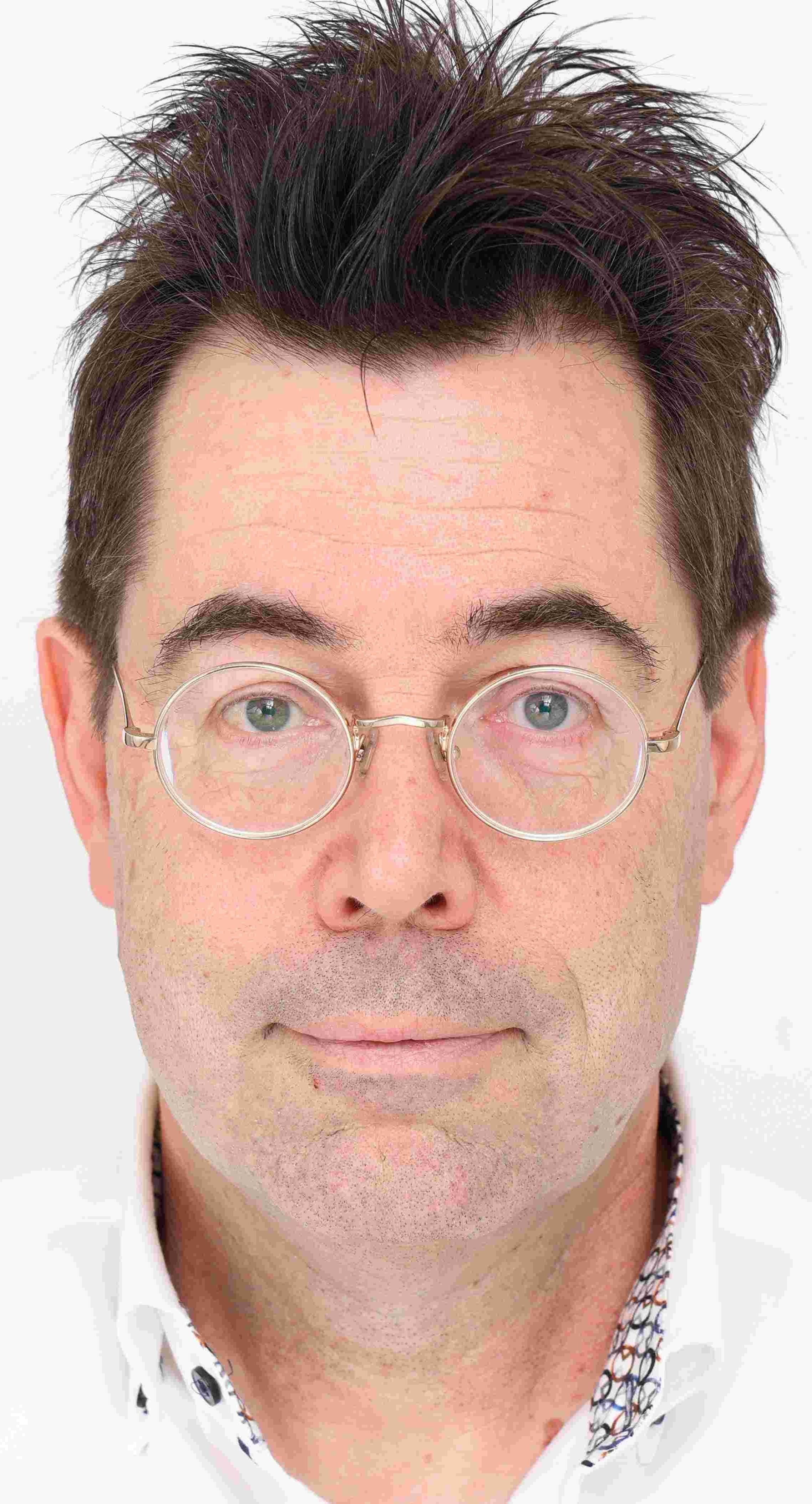


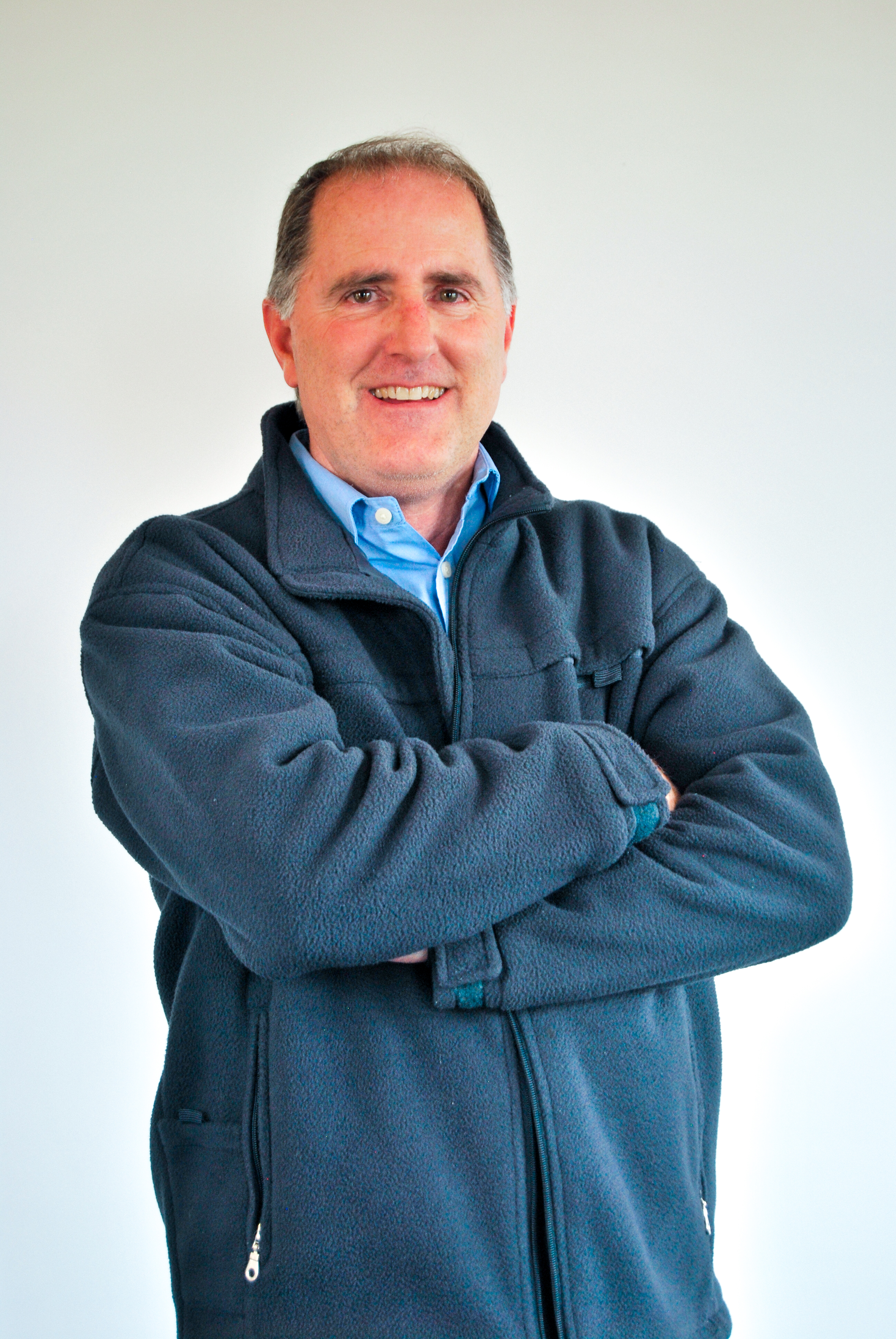
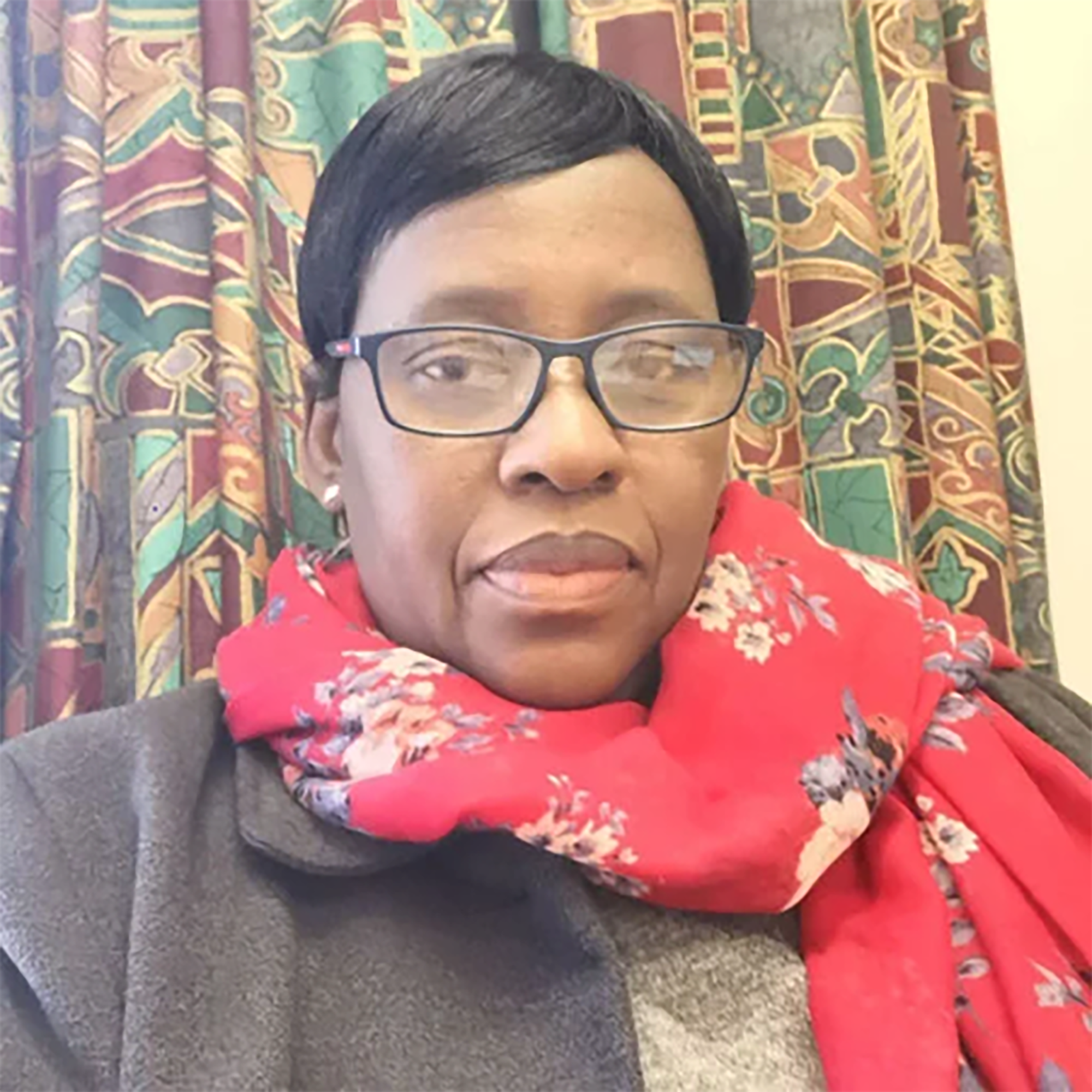

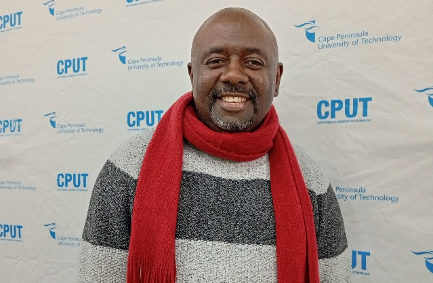
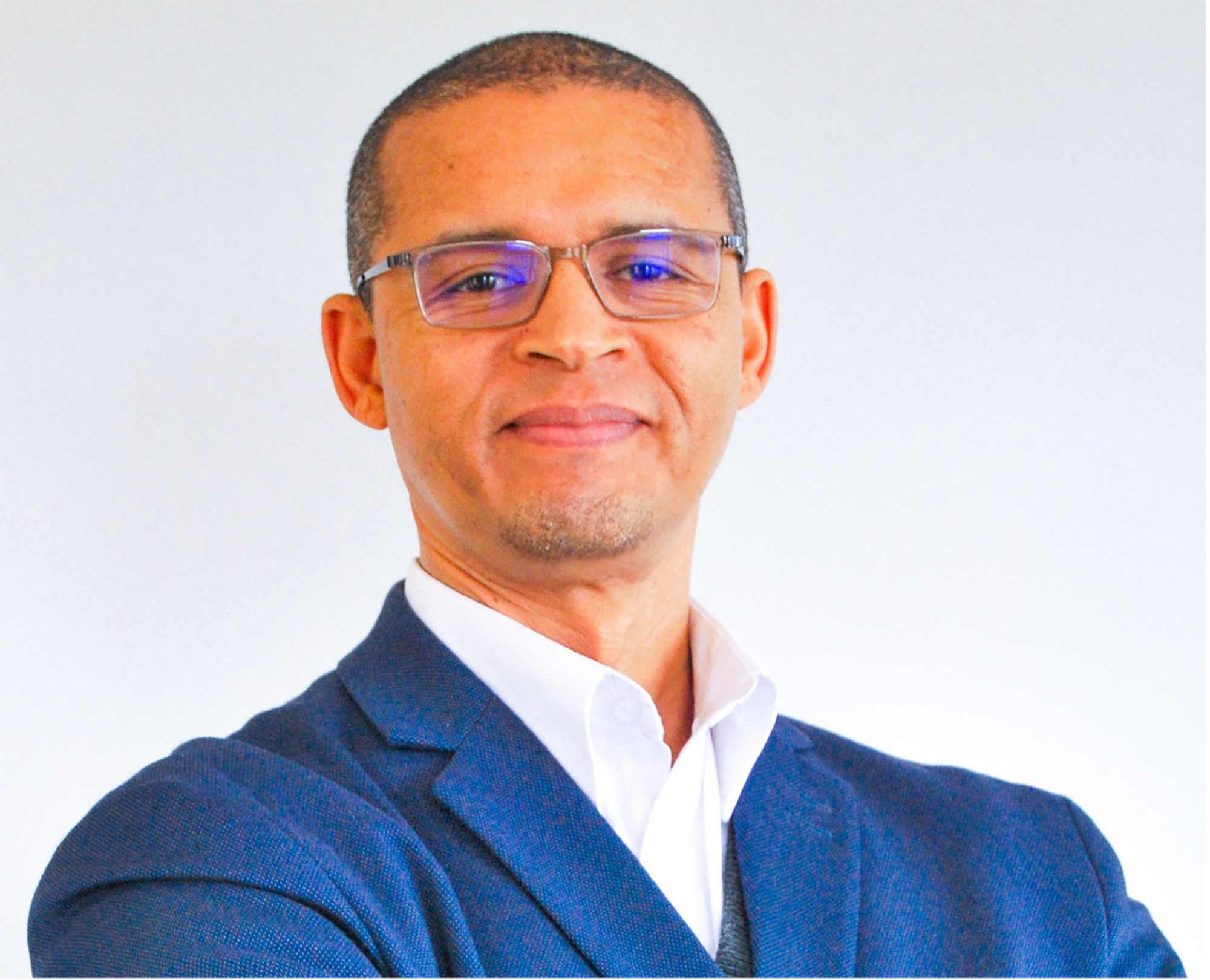
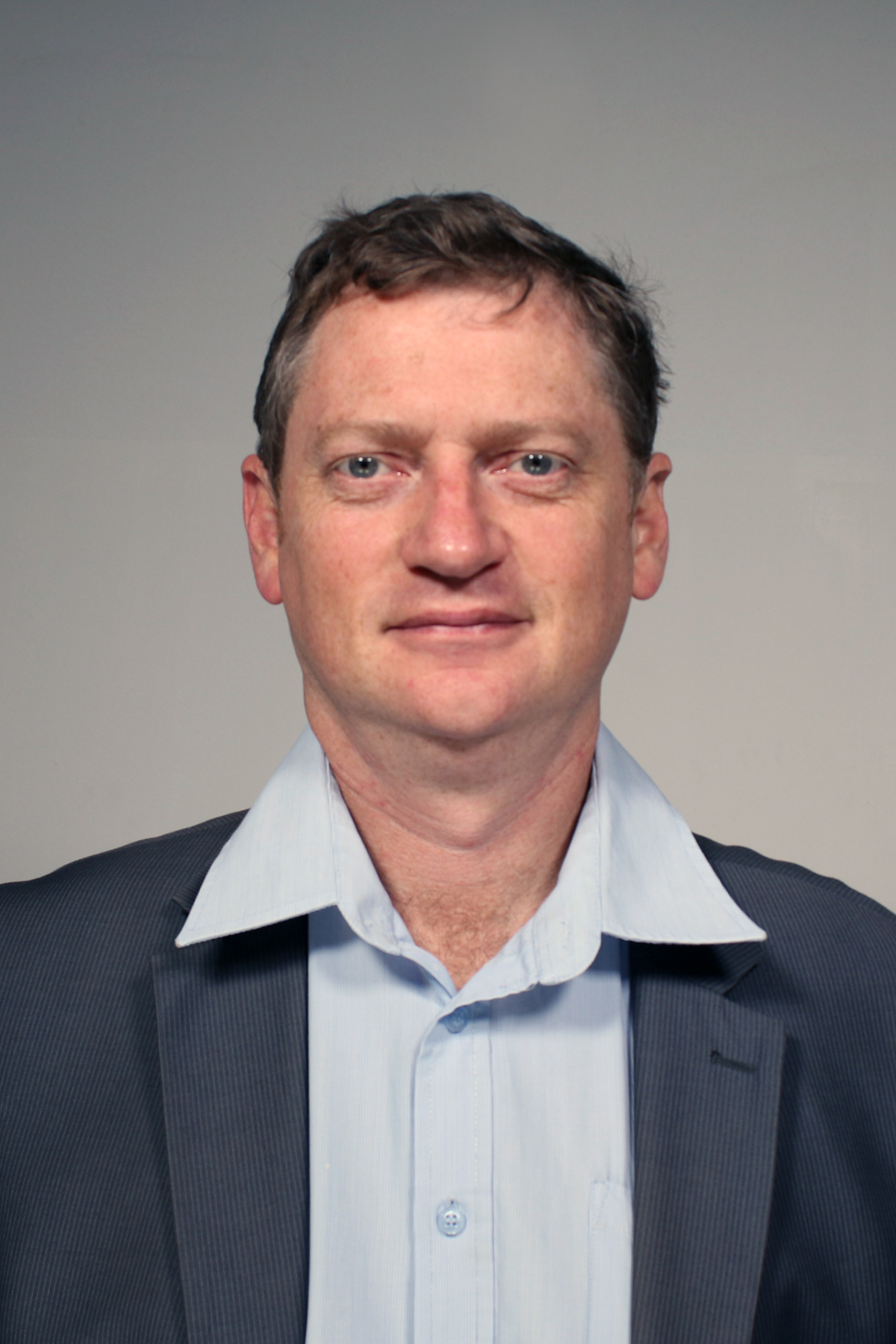

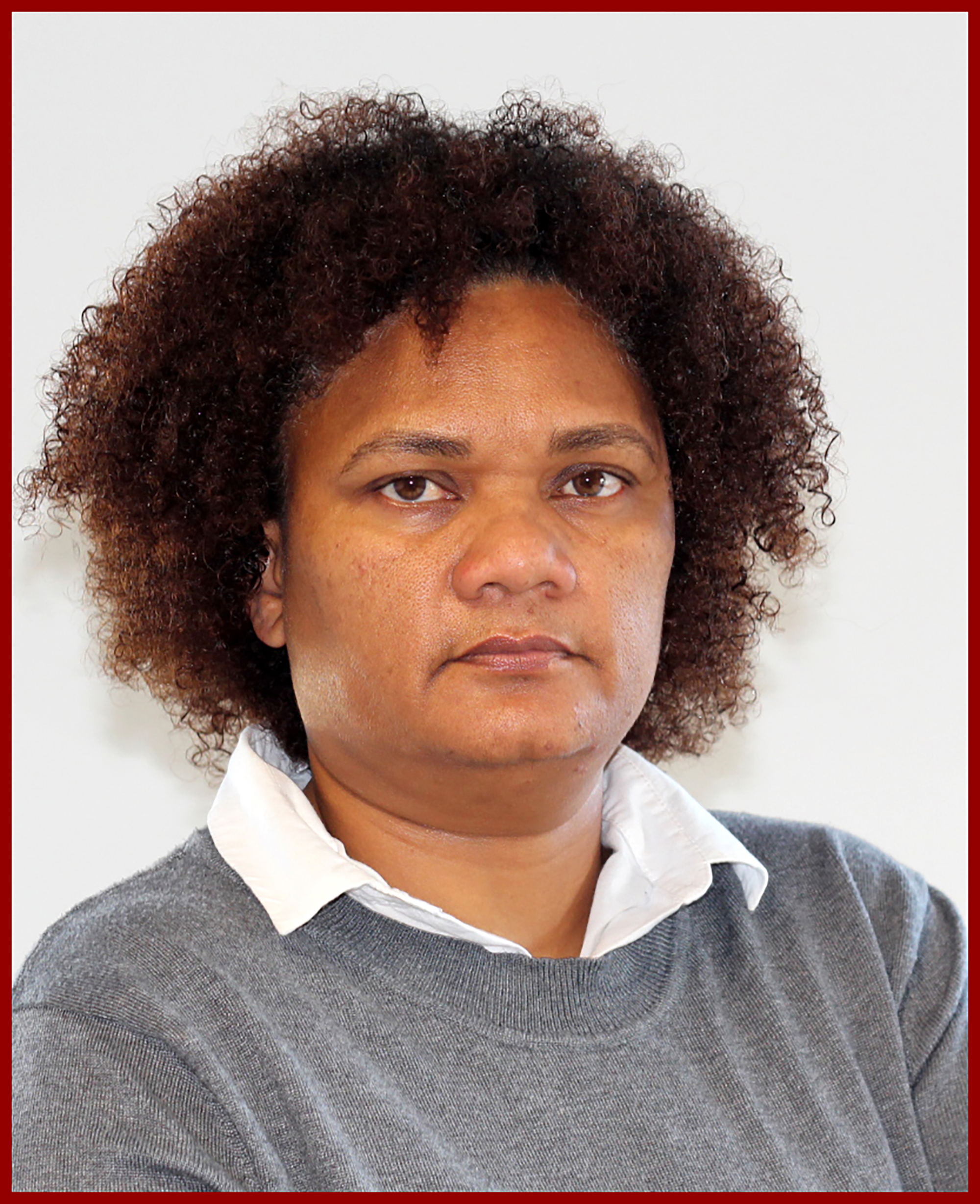
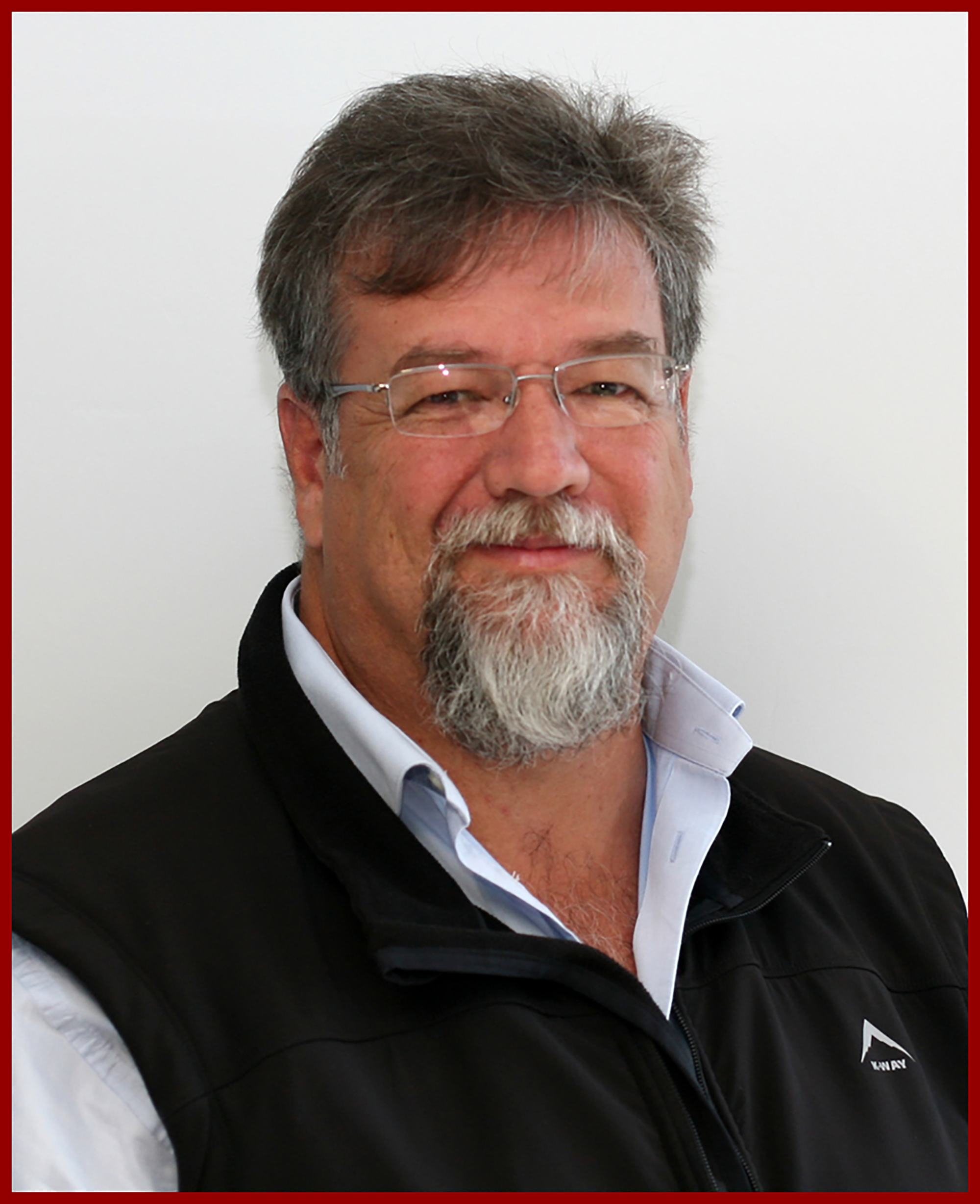
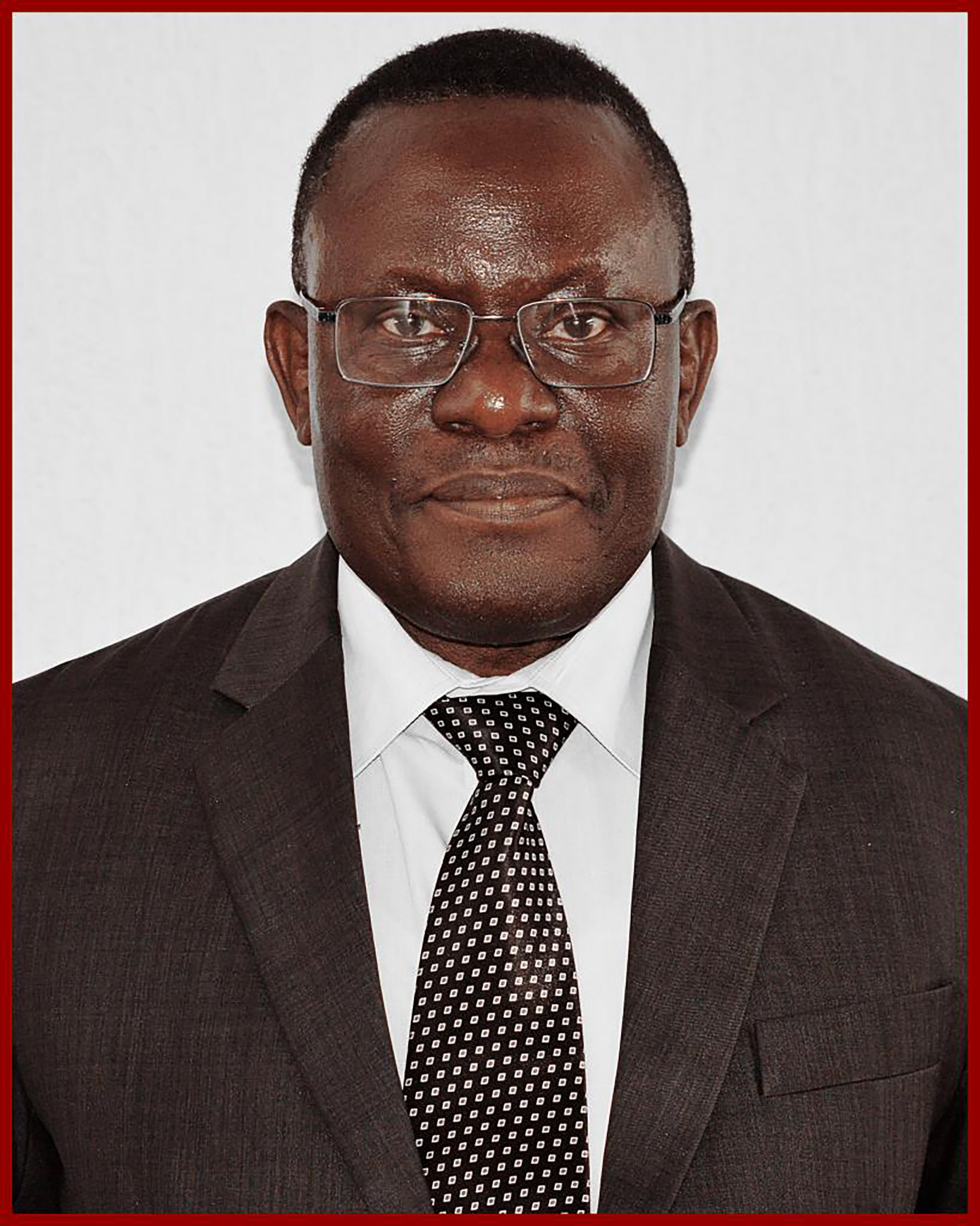

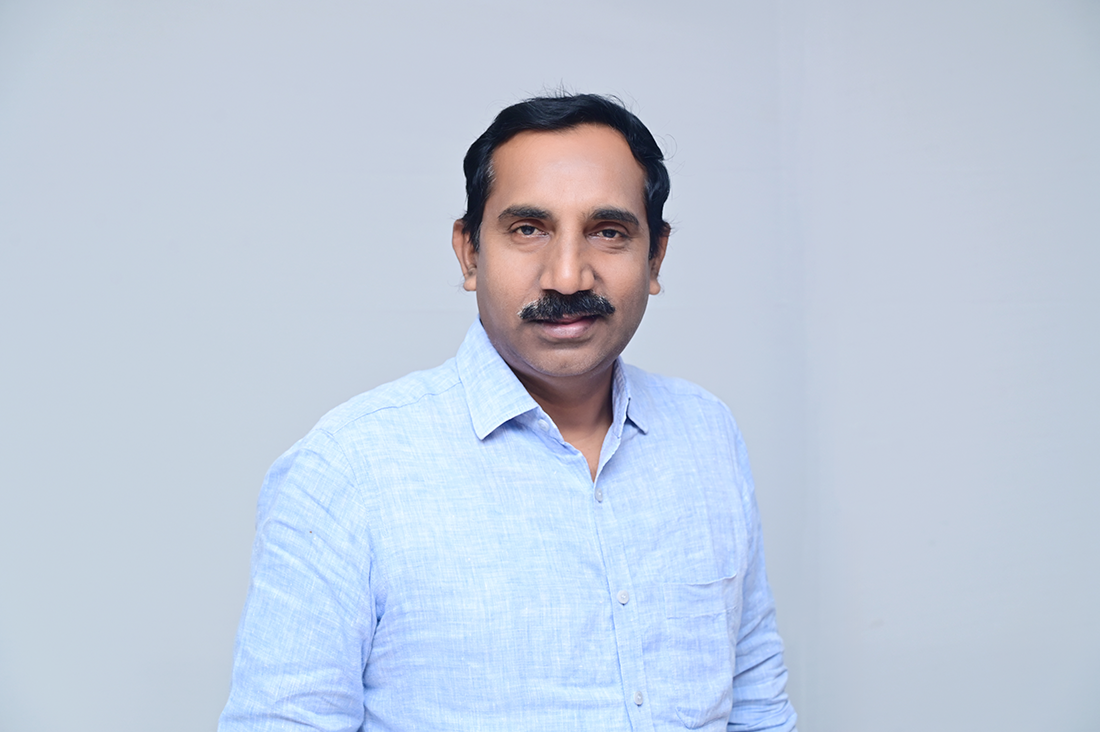
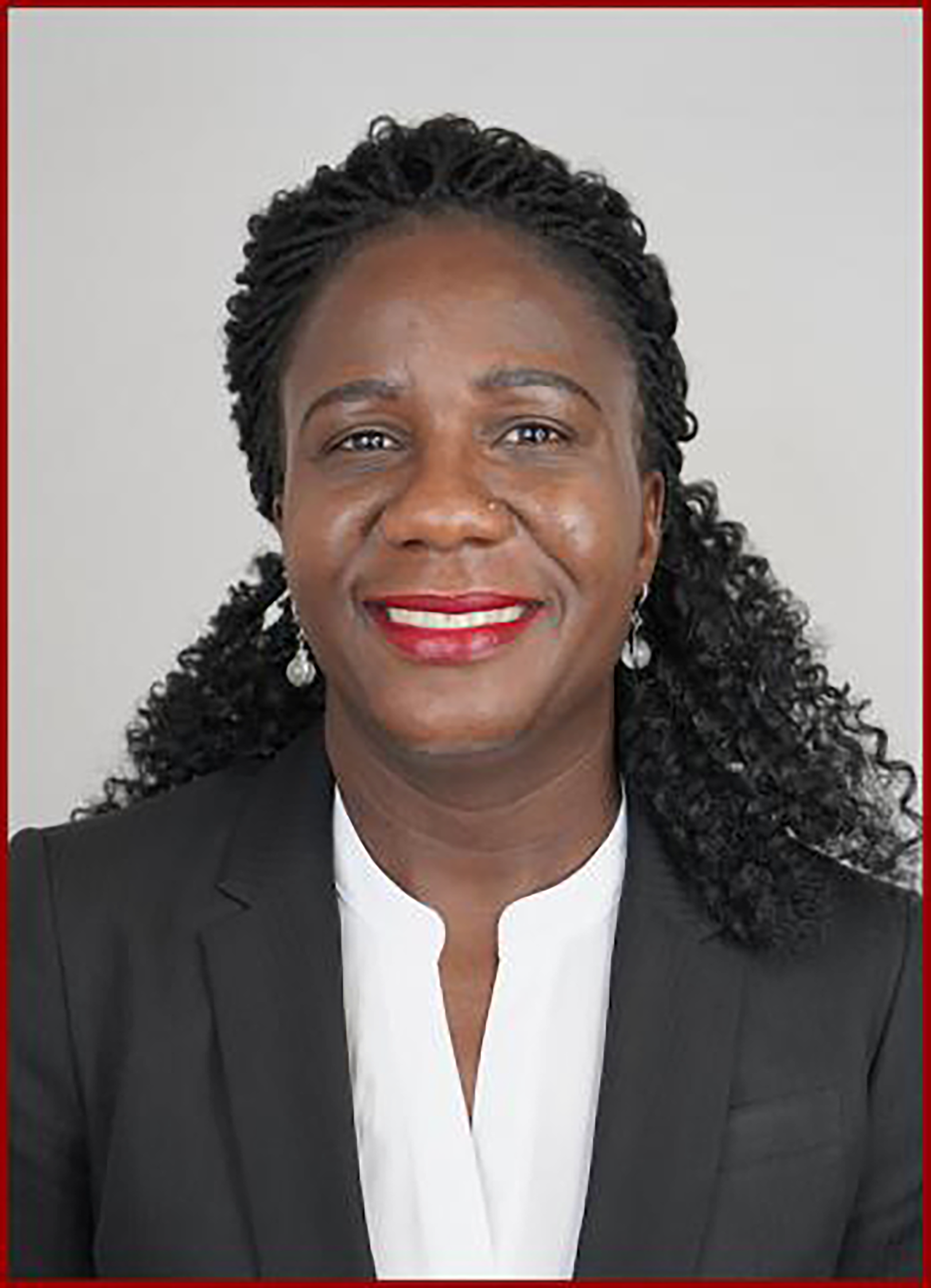

Prof. Dr. Kay Pfaffenberger (born 1965) holds a Master in Economic Sciences from Leibniz University Hannover and a PhD in Business and Administration from the University of Leipzig. He started his career as a consultant at the S-‐Kommunal Beratung in Hannover. As head of department he developed and managed electronic banking services at the Cooperative Bank BremenNord. Furthermore he has been consultant for company communication at CardProcess GmbH, Frankfurt. 2009 he founded the Institute for Communication, Finance and Good Governance. Since 2008 he has been teaching as visiting lecturer for different Universities, e.g. Bremen, Berlin and Hamburg. In 2012 Kay Pfaffenberger has been appointed as Professor for Business Administration at Flensburg University of Applied Sciences. Also he is the managing director of the Center for Business and Technology in Africa (CBTA). The main focus of his work is lecturing and applied research on business administration and political economics with special focus on business in Africa and inter-‐cultural-‐communication, banking and finance, good governance and renewable energy. In these fields he has supported cooperative banks especially in transaction banking with strong relations to DZ Bank. He has a wide experience with projects in the financial sector and recently with solar industry respective renewable energy companies in West‐Africa. The sustainable development and green energy are also in his focus. The CBTA had held an online conference in 2021 about Green Hydrogen cooperation possibilities between Africa and Europe. His actual field of research are the EU Green Energy Transition and the effects for local content as well as the need for skilled personnel for operations and maintenance.
In 2024 he had been selected by Africa.Table Professional Briefing, the largest German-language Africa editorial team, as one of the key minds in the "Science" category. He is one of the 100-Top-of-the-Table minds in Germany for Africa.
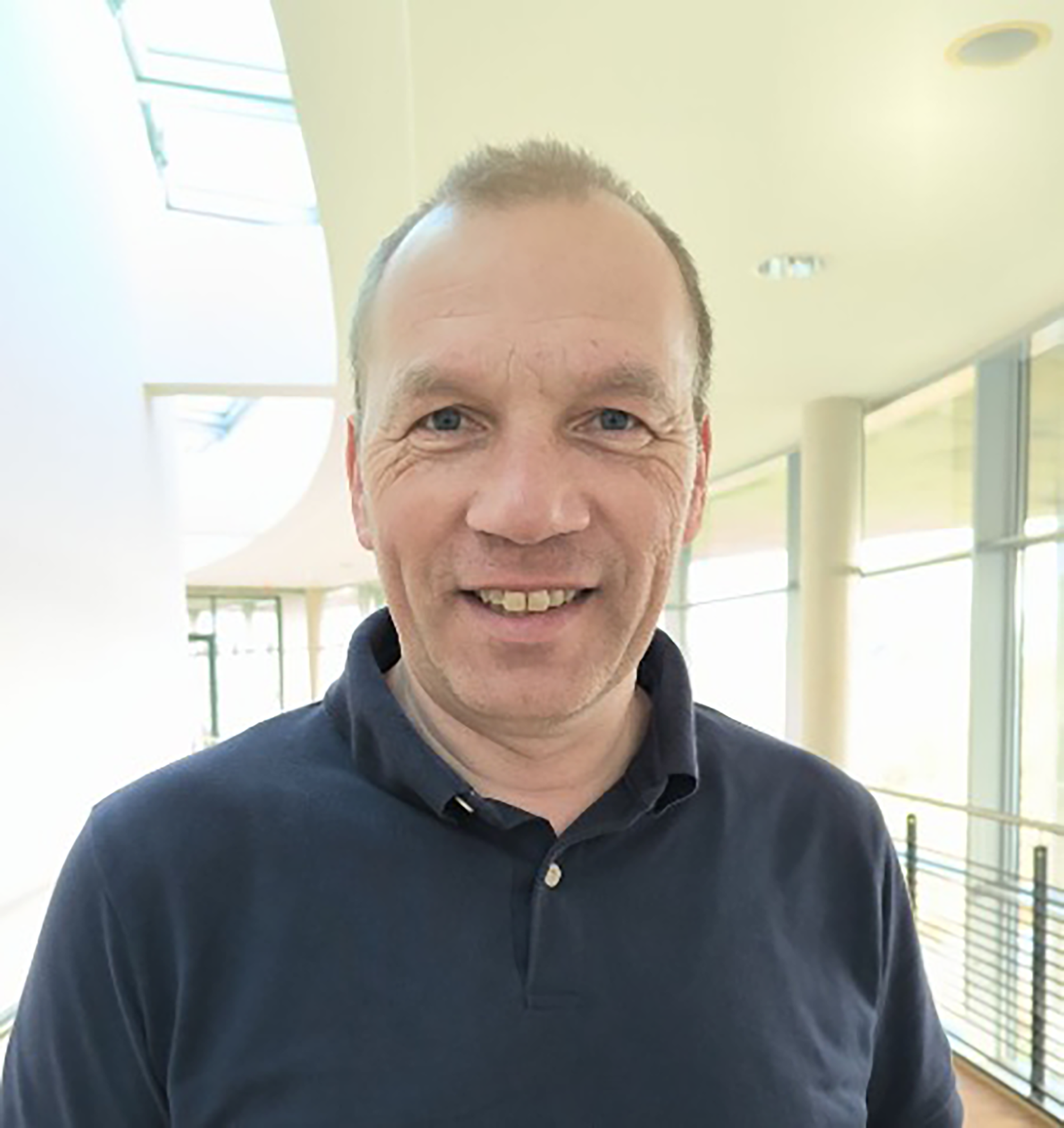
Martin Kühn is a scientific associate at the Centre for Business and Technology in Africa at Flensburg University of Applied Sciences, Germany. He has conducted higher education projects with African partner institutions for over ten years. His current research focuses on community engagement as well as competency-based education in technical and vocational education
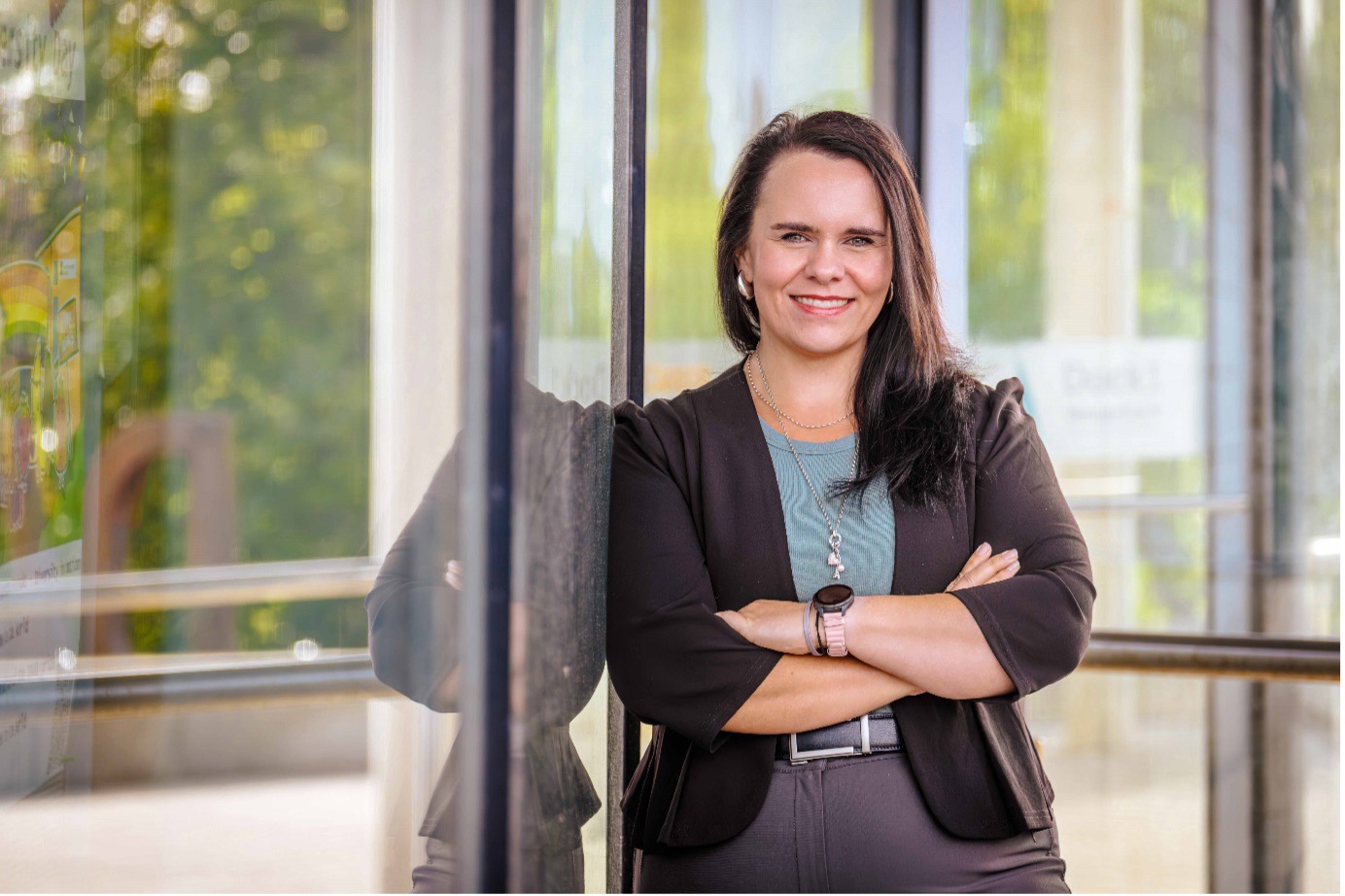
A graduate of the University of Cape Town and the University of the Western Cape, with academic qualifications in the Arts, Education, Literature, Psychology, and Cultural Studies. She is currently completing a PhD at the University of Flensburg, Germany. As Manager of Service-Learning and Civic Engagement at Cape Peninsula University of Technology, she leads collaborative initiatives involving government, communities, academics, researchers, and students across disciplines. She facilitates community engagement training nationally and internationally and participates in leadership programmes across Africa, Europe, and Asia. Her expertise includes community engagement, curriculum development, partnerships, performing arts, and student leadership development.
Dr. Maik Jepsen is lecturer at the Institute of Vocational Education, Work and Technology (BIAT) of the Europa-Universität Flensburg. Additionally he is a teacher at the Eckener-Schule for vocational education and training in the field of electrical engineering and information technology. His research interests are occupational research and curriculum development for vocational education and training (VET).
As Director Entrepreneurial Development at the Jackstädt Center Flensburg (FUAS), Stefanie Jordt works at the intersection of entrepreneurship, social innovation, and ecosystem development. Responsible for the scientific coordination of the CESAR Closing Conference 2027, she curates the programme with a focus on collaboration, impact, and social entrepreneurship. Drawing on her own entrepreneurial experience, she brings a strong integrative perspective to connecting research, practice, and entrepreneurial development. LinkedIn: https://www.linkedin.com/in/stefanie-jordt/
Walter Kohlhöfer is a Senior Lecturer in the Department of Mechanical and Mechatronic Engineering at the Cape Peninsula University of Technology (CPUT), where he has served since 1994. He holds a BSc and an MSc in Mechanical Engineering from the University of Cape Town, with his master's research focusing on dynamic hardness testing.
His teaching responsibilities include Engineering Design, Strength of Materials, Stress Analysis, Maintenance Engineering, Thermodynamics, and Computer Skills. He also supervises postgraduate student projects and serves as Faculty Work-Integrated Learning (WIL) Coordinator.
His research interests include CDM, hardness testing, weld analysis, creep, and fatigue. He has authored and co-authored several publications in these fields and is a member of the South African Institution of Mechanical Engineering (SAI Mech E).
Prof Bongani Ncube is a water and agricultural scientist with over 30 years of experience. She is currently a Full Professor at the Cape Peninsula University of Technology. She holds a PhD in Production Ecology and Resource Conservation from Wageningen University, The Netherlands. She works in the water and agriculture interface, particularly focusing on finding solutions for smallholder farmers, employing scientific and participatory methodologies. Research areas include water allocation, water governance, water resource management, sanitation, drought impacts on agriculture, and indigenous knowledge. Since 2022, she has been leading the multidisciplinary SARChI Research Chair in Governance and Economics for Water and Sanitation Sector Institutions. She has authored or co-authored over 100 publications, including articles in high-impact journals. Since 2016, she has graduated two PhDs and nine Masters students. She currently supervises or co-supervises 12 Doctoral, 15 Masters, and 3 Honours students. She is a National Research Foundation-rated researcher. She also sits on the Editorial Board of the WaterSA Journal, reference groups of Water Research Commission projects, and National Research Foundation local and international review panels.
Dr. Faiq Currently serves as the Head of the Department for Academic Staff Development at the Fundani Centre for Higher Education Development, Cape Peninsula University of Technology (CPUT). In this pivotal role, Dr. Waghid spearheads initiatives to foster the academic staff's professional growth and development while promoting a culture of excellence and innovation at CPUT. His research is deeply rooted in participatory action research, a collaborative approach to enhance teaching and learning practices. Recent research interests include the role of educational technology during times of crisis and change, focusing on how technological advancements can support adaptability and resilience within educational settings. Additionally, Dr. Waghid is exploring the integration of Artificial Intelligence (AI) in education, investigating its transformative potential to revolutionise teaching methodologies and enable personalised learning experiences. He has contributed significantly to educational research through several seminal publications throughout his academic career. Dr Waghid has been honoured as an established researcher by the National Research Foundation (NRF), underscoring a commitment to advancing higher education through innovative research and collaborative endeavours.
Prof. Felix Nchu holds a PhD in Paraclinical Sciences from the University of Pretoria and is a Chartered Manager (CMgr), an NRF C2-rated scientist and an executive coach. He is at the forefront of biorational pest management research, pioneering innovative and sustainable solutions for controlling plant and animal pests. His work explores plants and beneficial microbes to advance integrated pest management and sustainable horticulture and agriculture. He partners with industry and community members in not only driving scientific innovation but also in co-creating knowledge and skills transfer through community engagement and service-learning. Over the years, he has been involved in many collaborative urban gardening projects that have a core agenda of addressing food insecurity in communities and promoting green landscaping, in line with the UN SDGs 11 and 17. Prof Nchu is a co-founder and coordinator of AfriCoTT, an African Consortium, which focuses on developing sustainable strategies for managing ticks and tick-borne diseases in Africa; it is a platform for co-creating evidence-based knowledge and identifying gaps and actions.
As a dedicated mentor and academic supervisor, he has guided numerous undergraduate and postgraduate students who are now driving transformative change in the green industry and community. A prolific researcher, Prof. Nchu has published extensively, with his groundbreaking studies appearing in esteemed journals, including Nature.
His research interests focus on the design and development of sustainable energy technologies for microgrid applications in Sub-Saharan Africa. Distributed generation solutions in Sub-Saharan Africa are paramount to address the energy challenges of the region. The development of smart microgrids has the potential of transforming the energy landscape in the region allowing the empowerment of communities to participate in modern energy futures that will contribute to economic growth and improve energy access.
Has a background that bridges public policy, public health and law. He holds a Bachelor of Emergency Medical Care from Cape Peninsula University of Technology (CPUT), a Master of Laws (Public Law) from the University of Cape Town, and a Master of Public Health, with a focus on health policy and management, from Columbia University. His career spans roles in the government, NGO, parastatal, private and academic sectors. A former attorney, he now practises as consultant in public policy and legislation. He is a co-facilitator of the Community Engagement Student Academy at CPUT, a role he has performed for several years.
Ms Toni Stringer holds a Post Graduate Diploma in Higher Education Studies and a Master of Science in Engineering in Civil Engineering from the University of Cape Town. Her master’s thesis focused on the use of concrete block construction in low-cost housing in the Western Cape.
She was formerly Head of the Construction Management and Quantity Surveying Department in the Faculty of Engineering and the Built Environment at the Cape Peninsula University of Technology (CPUT), and served as Acting Assistant Dean: Teaching and Learning from 2017 to 2021. Prior to joining CPUT as a Junior Lecturer and later Senior Lecturer, she worked as a Junior Engineer at Orrie, Welby-Solomon Engineering Consultants (Pty) Ltd.
Her professional interests include Engineering, Learning and Teaching, and Strategy. She has served as a Curriculum Officer and has been involved in curriculum development, learning and teaching strategies, Service-Learning, Civic Engagement, Work Integrated Learning, and community and industry programmes. She was also a member of the board of the international PEESA III project, a European Commission-funded Erasmus+ initiative focused on engineering education.
A Business Management lecturer with interest in entrepreneurship, project management, and SME development ecosystems. With over a decade of experience (2012–2022) in the start-up support space, she previously served as Manager for Entrepreneurship and Incubation programmes at the Namibia Business Innovation Institute (now NUST Innovation). She holds a master’s degree in project management from the University of Southern Queensland, Australia and is currently an MBA Fellow at NUST with focus on micro-enterprise interactions with local economic development agencies, inclusive of infrastructural allocations. She is part of the CESAR project, focusing on strengthening student–community engagement to support entrepreneurial ecosystem development.
Ngunoue Cynthia Kauami is a lecturer at the Namibia University of Science and Technology (NUST) who holds a Ph.D. in Strategy and Entrepreneurship and an M.Sc. in Entrepreneurship and Business Dynamics. Since 2018, she has been teaching modules on innovation, creativity and entrepreneurship (ICE), operations management, and business finance.
Prior to her full-time academic role, Dr. Kauami worked as a manager of executive education at the Harold Pupkewitz Graduate School of Business and as a project officer in the Centre of Enterprise Development (2007–2017) at NUST. In these roles, she coordinated and managed training programmes for industry leaders and mentorship programmes for small and medium enterprises across Namibia.
She is currently engaged in the Community Engagement in the Southern African Region (CESAR) project, strengthening collaboration between academia, industry, and communities. She additionally coordinated the DAAD Sustainable Entrepreneurship Education Exchange (SEEE) project between 2022-2025, in collaboration with the University of Kempten (HKE) and Nelson Mandela University (NMU). Dr. Kauami has scholarly interests in social entrepreneurship and coopetition. She recently co-authored a paper on African perspectives on social entrepreneurship, which argues for the importance of context in social entrepreneurship research and identifies four key issues misaligned with the African context. Her work highlights a commitment to advancing entrepreneurship, innovation, and sustainable business practices across Southern Africa and beyond.
Daleen Brand earned a Master’s Degree in Town and Regional Planning from the University of Stellenbosch. From 2003 to 2024, she gained experience in urban and regional planning through roles in public service, private consultancy, and an international development agency. During 2009–2010, she was awarded a Hubert Humphrey Fellowship at MIT, USA.
Her research focuses on sustainable informal settlement upgrading, participatory planning, and urban development policies. She teaches Introduction to Society and Planning, Participatory Planning Methods, Comparative African Cities, and Community Based Projects.
Daleen is registered with the Namibia Institute of Town and Regional Planners (NITRP No. 32) and the Namibia Council for Town and Regional Planners (NCTRP No. 32). Her community development activities include contributing to the review of the Urban and Regional Planning Act of 2018, providing input and advisory services for the development of the Terms of Reference for the National Spatial Development Framework (NSDF) to MURD, and conducting logbook training for town planners in training for the NCTRP. She also presented at the Consultative Workshop on the National Housing Policy held in Windhoek on 16 and 17 February 2022.
Ms Geraldine van Rooi is a Lecturer in Spatial Planning in the Department of Architecture, Planning and Construction (DAPC) at the Namibia University of Science and Technology (NUST).
She holds a Master of City and Regional Planning (MCRP) from the University of Cape Town, an Honours Bachelor of Arts in Urban Geography from the University of Namibia, and a Bachelor of Arts in Geography and Sociology from the University of Namibia.
Jacques obtained his Master Degree in Town and Regional Planning at the University of the Free State in South Africa in 1994. He joined the Department of Land Management in 2009 as Senior Lecturer, heading the Land Use Planning Section from 2009-14. Jacques has been the Deputy Head of the Department since 2015 when the Land Use Planning Section merged with the Department of Architecture to form the Department of Architecture and Spatial Planning.
Professor has served as Professor of Renewable Energy Systems at DECE, NUST, Windhoek, Namibia, from 2019 to date. From 2017 to 2019, the professor served as Professor and Director of Electrical Engineering at DECE, NUST. Previous roles include Professor and Founding Dean of the College of Engineering and Technology at Botswana International University of Science and Technology from 2010 to 2016, Professor and Dean of the College of Science and Technology at Covenant University from 2006 to 2010, Professor of Electrical Engineering at Bayero University from 2000 to 2006, Dean of the Faculty of Technology at Bayero University from 1995 to 1998, Senior Lecturer in Electrical Engineering at Bayero University from 1990 to 2000, and Lecturer at the University of Lagos from 1984 to 1990. Professional affiliations include COREN P0425, FNSE 03248, Fellow of the Nigerian Society of Engineers, and MIEEE, Member of the Institute of Electrical and Electronic Engineers, USA. Research focus areas include mini grids for rural electrification, power system voltage stability, grid integration of variable renewable energy resources, and energy policies. Courses currently taught include EST911S Energy Systems, ECV611S Energy Conversion 215, PRS721S Power Systems 325, and EMA410S Electrical Machines 4. Selected publications include peer-reviewed articles on power system voltage collapse prediction, voltage stability, renewable energy capacity building, renewable energy resources in the Southern African region, and wind energy study and energy cost of wind electricity generation in Nigeria.
Liina earned her Bachelor of Civil Engineering from the Polytechnic of Namibia and obtained a Master’s in Environmental Engineering: Water from the Namibia University of Science and Technology. She joined the Department of Civil, Mining and Process Engineering in 2024 as a lecturer for Water and Environmental courses. She teaches Environmental Engineering and Hydrology at undergraduate level, and Water Resources Analysis and Planning at postgraduate level. Her professional affiliations include the Engineering Council of Namibia (ECN), and she is a Committee Member of the State Action Plan on Carbon Offsetting Reduction Scheme for International Airports (CORSIA) and Sustainable Aviation Fuel (SAF). Her research focuses on groundwater pollution, surface water pollution, Sustainable Development Goals, and airport environmental monitoring techniques. Liina is a Director of Hilde’s Women and Youth Empowerment based in Okahandja, where she facilitates the annual Say No to Teenage Motherhood workshop and leads the annual Okahandja Career Fair programme. She has served as a Youth Advisor on the Okahandja Municipality from 2021. Her publications include a journal article on air pollutant emissions, bird strike and noise levels in small airports, and newspaper articles including NUST Brief, 24 September 2021, and Groot Aub residents list village miseries in Namibian Sun. She has presented at Young Water Professionals during World Wetland Day and World Water Day, the Water and Climate Change Conference, and the Water Resource Researchers Conference, where she was a Third Prize Winner. She has also delivered academic motivation talks at Cosmos High School, J G Van Der Wath Secondary School, K J Kapeua Combined School, and Dibasen Junior Secondary School.
Ms Martha Shitenga is a Lecturer: Spatial Planning in the Department of Architecture, Planning and Construction (DAPC).
Dr Subramanyam Revanuru is currently working as a faculty member in the Civil, Mining, and Process Engineering Department at the Namibia University of Science and Technology in Windhoek, Namibia. He holds a PhD degree from the Indian Institute of Technology-Roorkee, India, in anaerobic treatment. He obtained his B.Tech. degree in Civil Engineering and M.Tech. degree in Environmental Engineering from Indian universities. His areas of interest are water, sanitation and hygiene (WASH), water and wastewater treatment, solid and hazardous waste management, phytoremediation, air and noise pollution control, environmental impact assessment, etc. Dr. Subramanyam has more than 30 years of teaching, research, and industrial experience and has published many research papers in highly acclaimed international journals and conferences. He is actively engaged in social and community services.
Ms. Toini Angula holds a Master’s in Town and Regional Planning from the University of Pretoria, South Africa. She also holds a Certificate in Geo-Information Sciences and Earth Observation, with a focus on Principles of Land Administration Information Systems, from the University of Twente in the Netherlands, as well as a Bachelor of Technology in Land Management from the Polytechnic of Namibia. During her studies, she was consecutively awarded best second-, third-, and fourth-year student in Land Management within her cohort.
Ms. Angula has diverse industrial experience in land administration, land management, community development, regional development planning, rural development, and project management. In April 2024, she joined the Department of Architecture, Planning and Construction as a lecturer for Regional and Rural Development.
She is a Registered Town and Regional Planner in Training, registration number tpt062017, with the Namibia Council of Town and Regional Planners. Her research focuses on rural and regional development planning, participatory community development, Sustainable Development Goals localisation, culture and development, development policy, and sustainable development.
Her teaching areas include Undergraduate Development Planning, Applied Regional and Rural Economic Development, Natural Resources Management and Sustainable Development, Development Economics, Postgraduate Regional and Rural Development Planning, and Mini Thesis. Her community development activities include advocacy for growth points development in Katjinakatji, Bunya and Mpungu, development sensitisation and awareness for Tupahukeni Savings Group, and Sustainable Development Goals localisation at farm !Khoruxas.